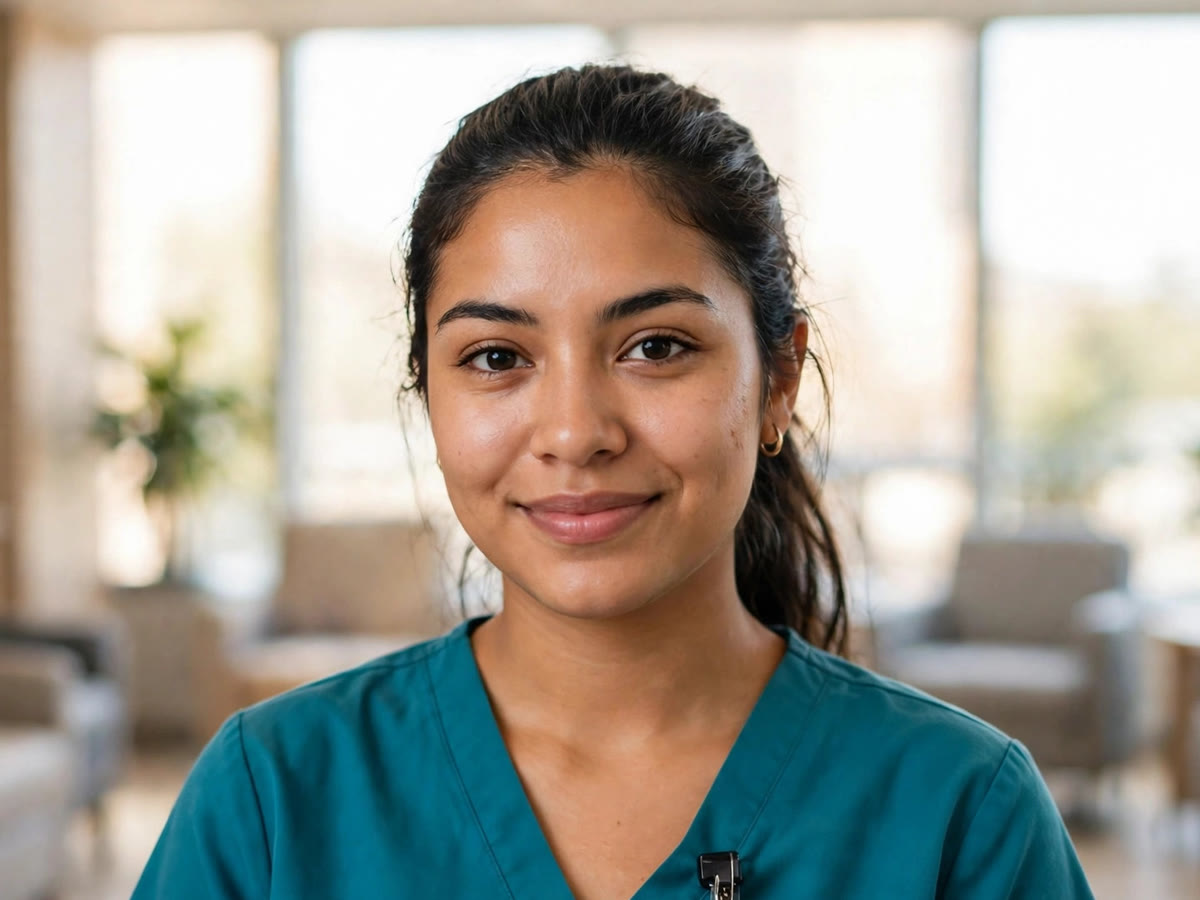
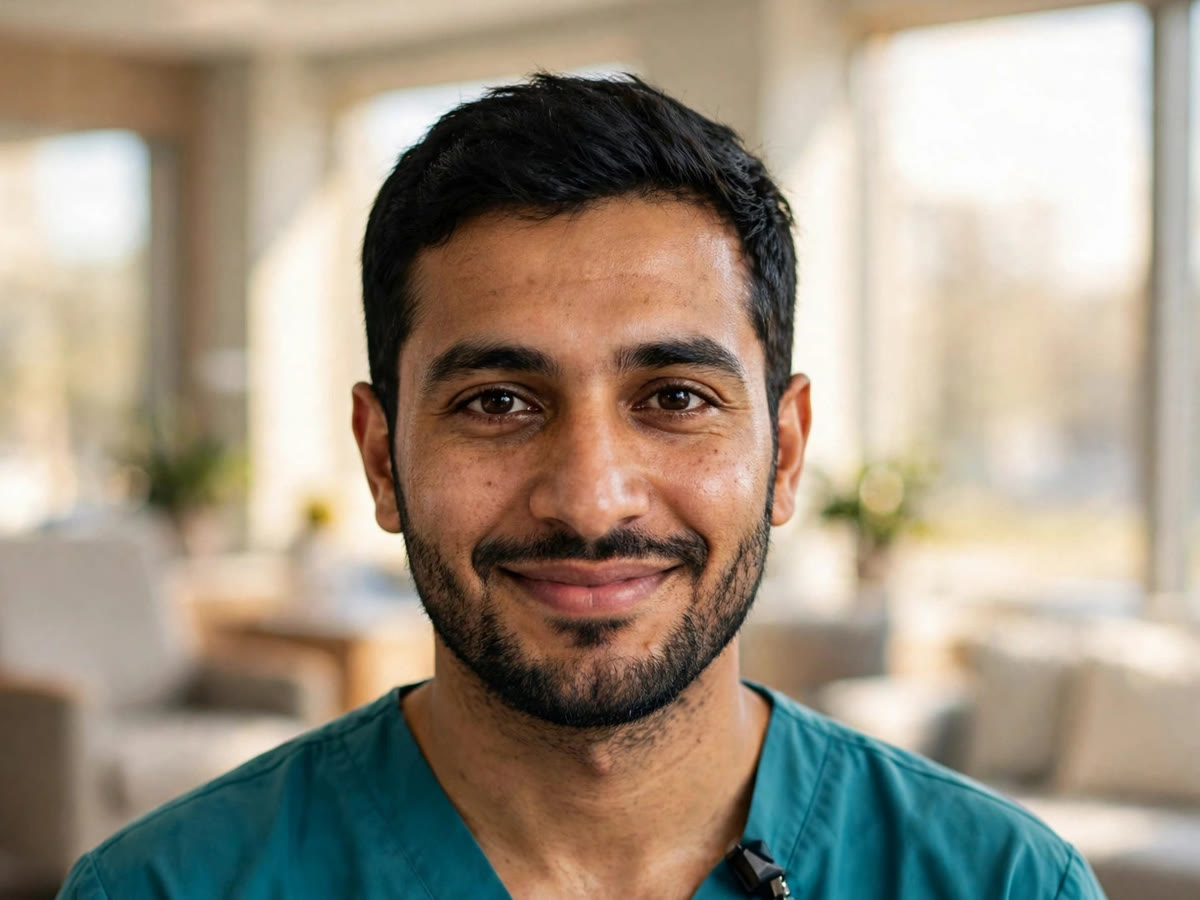
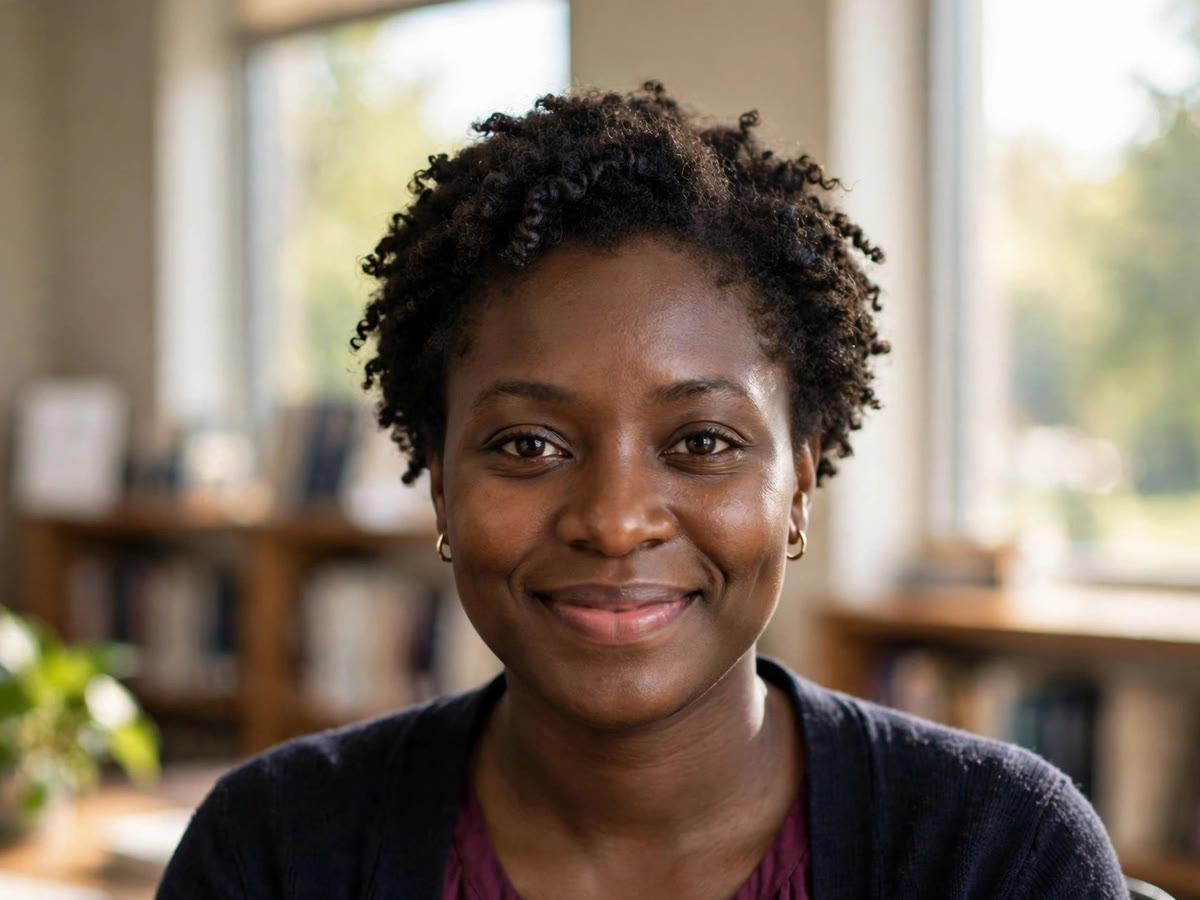
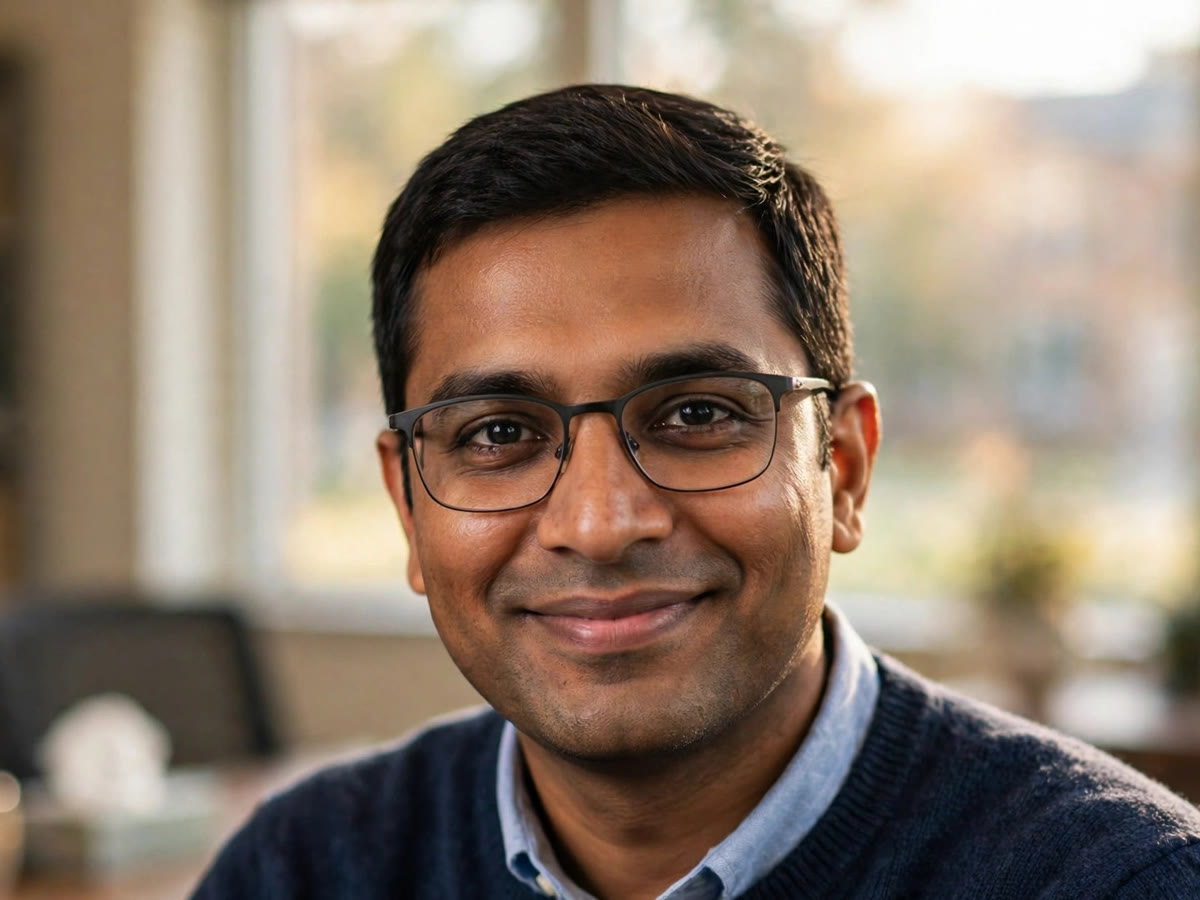
A Day in the Life: The Top 10 Behavioral Health Careers
We have a behavioral health workforce crisis. One way through it is a door more people can see themselves walking through. These are the ten professions that carry behavioral health care in the United States, ranked by the size of their workforce and their projected growth.
Each career is told through a young professional whose own lived experience led them into the work, and each career card also carries three short stories of three different kinds of people who find their way into the same profession. The people are fictional. The work is not: every duty, setting, and figure on this page comes from published national sources, starting with the U.S. Bureau of Labor Statistics.
We connect people to purpose, one conversation at a time.
Find Your Path
Answer five short questions about your own life and how you would like to help people. We will point you to one of the ten careers below that may fit. It is optional, and all ten careers are listed under it either way.
Question 1 of 5
What experience in your own life draws you to this work?
1
Mental Health and Substance Use Counselor
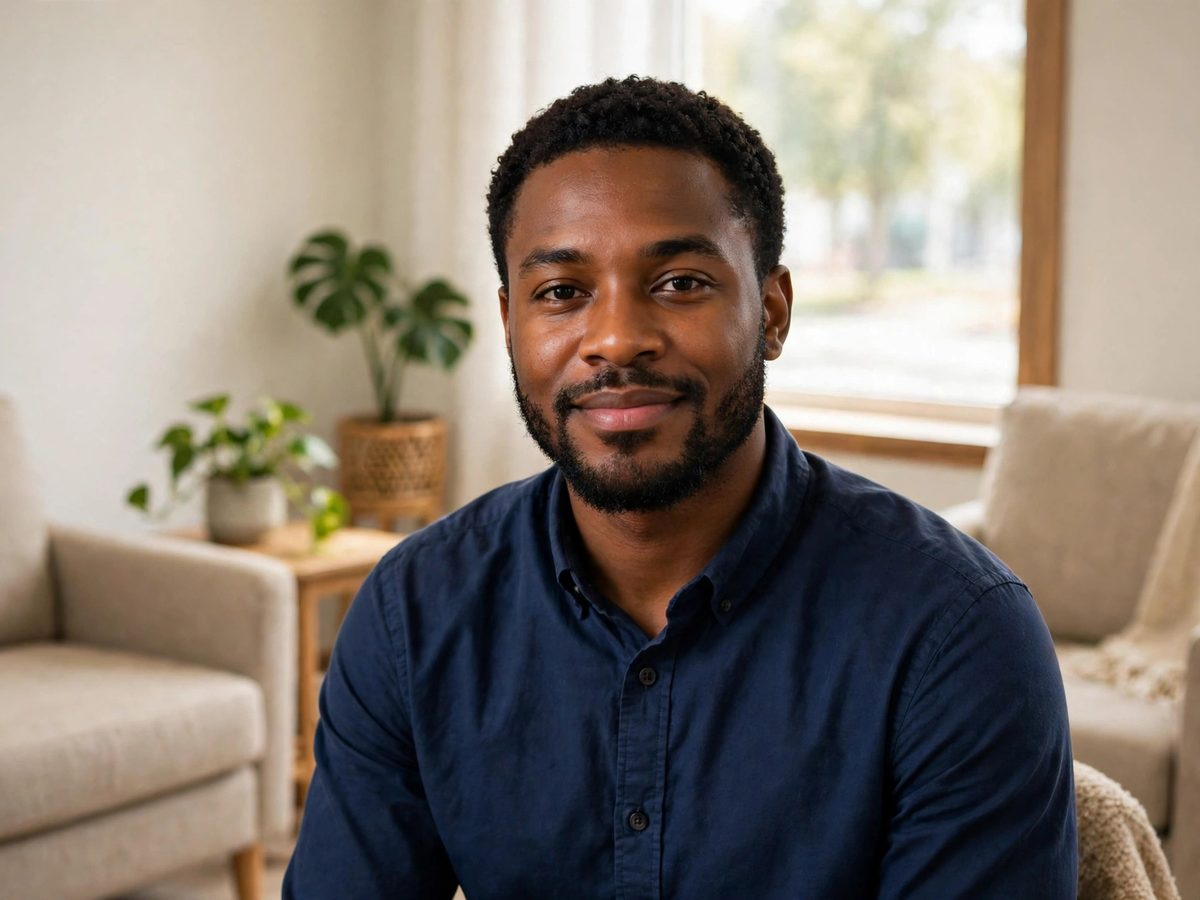
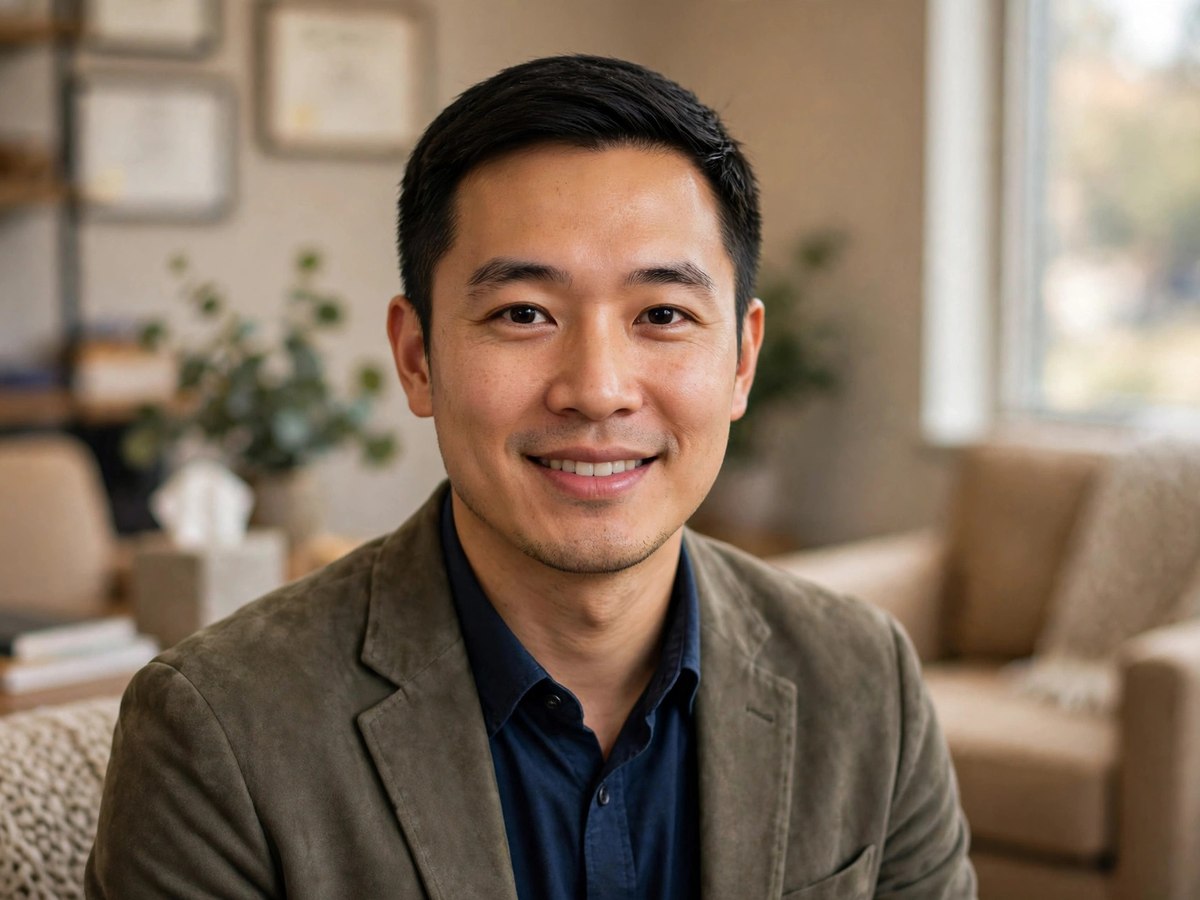
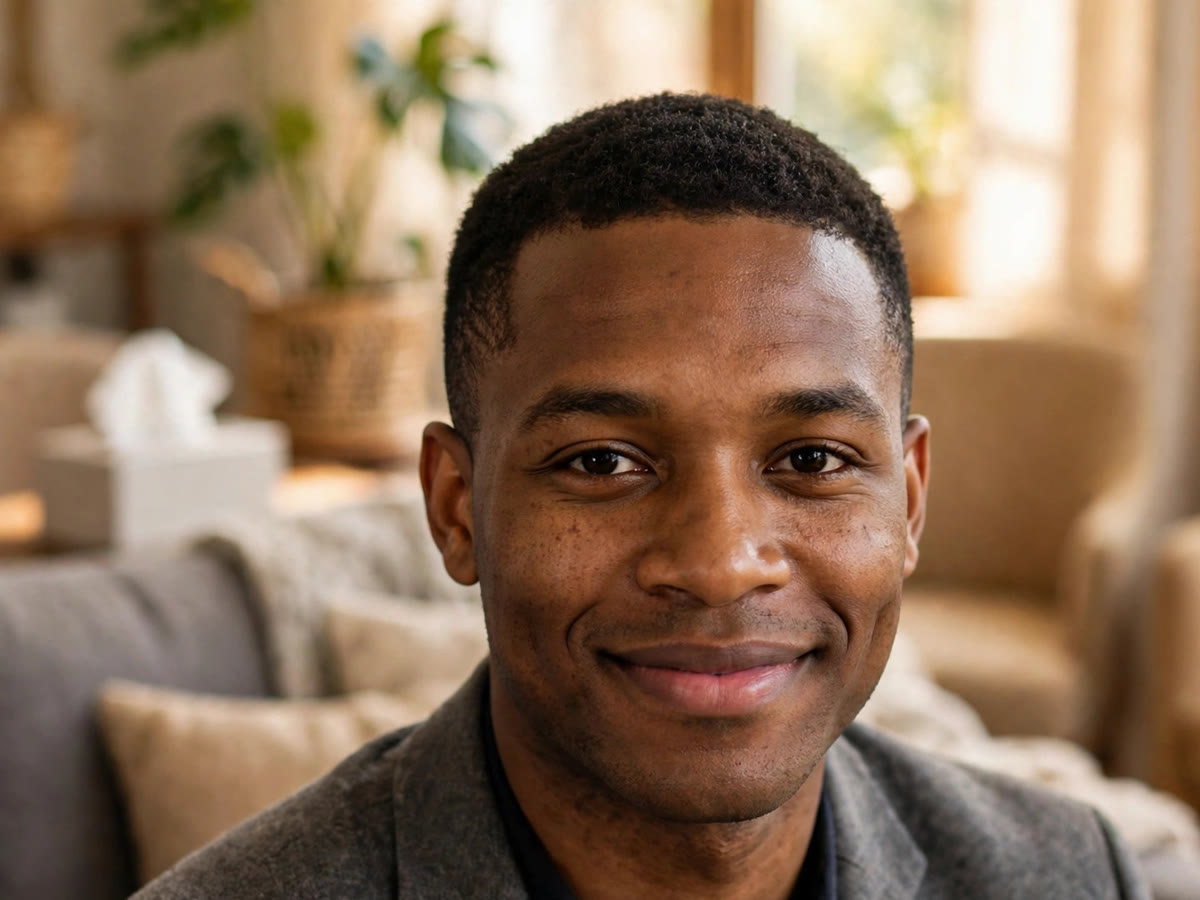
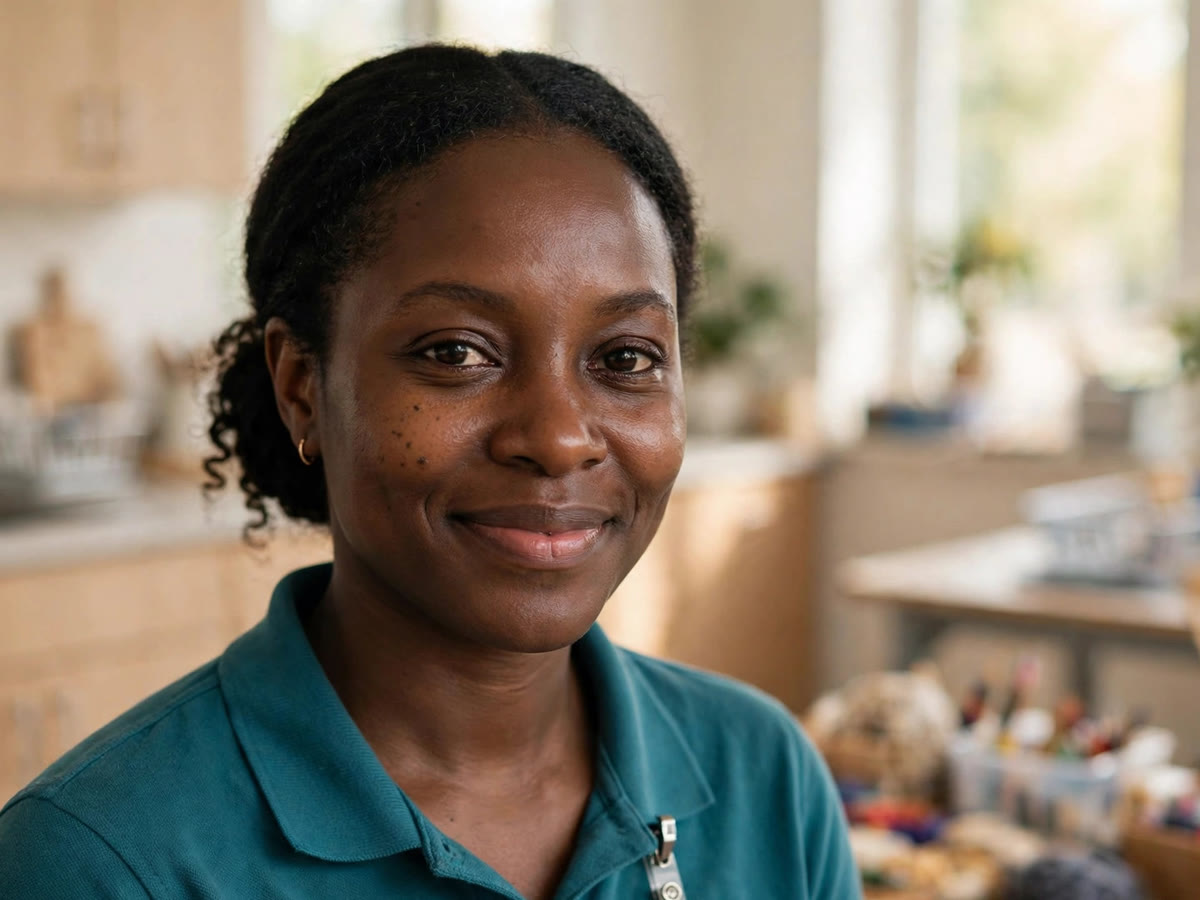
Tony Reed, 28 — counselor at a community health center
How I Got Here
When Tony was fifteen, his older brother was deep in opioid use, and his family treated it like a secret they had to carry alone. The counselor at his brother's treatment center was the first person who talked to the whole family straight, and treated his brother like a person, not a problem. His brother has been in recovery six years. Tony went into this work because somebody once sat with his family in the worst season of their lives, and now he sits in that counselor's chair.
Three Paths Into This Work
The Lived Experience Path
Denise Carter, 34
Denise spent years as the one who showed up: rides to treatment, court dates, hospital waiting rooms, always for her younger sister. A counselor told her she was already doing half of this work without the training. She earned her degree at night while working full time, and now she counsels families walking the same road she walked.
The Career Changer Path
Robert Kim, 41
Robert spent fifteen years in logistics, good at systems and steady under pressure, and quietly unfulfilled. Volunteering one evening a week on a crisis line changed that. He went back to school in his late thirties and took the pay cut on purpose. He says he has never once missed the warehouse.
The Straight From School Path
Alicia Gomez, 24
Alicia chose psychology in her first year of college after a professor described counseling as applied listening. She volunteered on a campus peer line, interned at a community clinic in her senior year, and stepped straight into her master's program. She tells students the path can be a straight line if you start early and stay curious about people.
A Day in the Life
Start the day with a team huddle and a new client assessment, listening for the whole story, not just the substance
One-on-one counseling sessions, helping each client build a treatment plan they can actually keep
Lead a group session where people learn they are not the only ones carrying this
Teach and support families, because addiction and recovery involve the whole household
Write session notes, line up referrals, and help plan a discharge for a client who is ready
Mental health centers, community health centers, hospitals, and private practice. Mostly full time.
Bachelor's degree to enter many roles; a master's degree and a state license for independent clinical practice.
533,400
Jobs, 2025
$59,350
Median Pay, May 2025
+18%
Growth, 2025–35
2
Licensed Clinical Social Worker
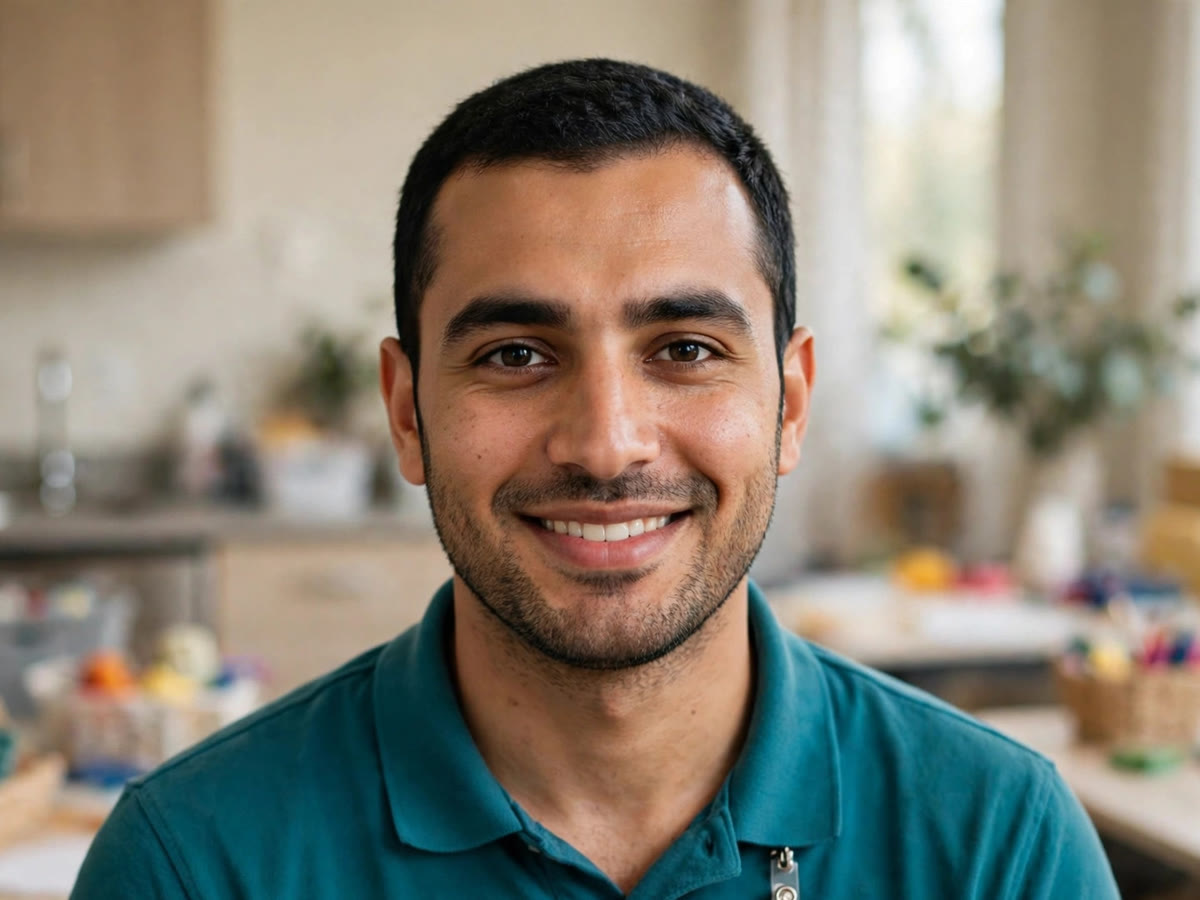
Brianna Cole, 29 — licensed clinical social worker on a hospital behavioral health unit
How I Got Here
Brianna grew up watching her mother carry depression that nobody ever named. In her house she was the helper, the one who kept things calm and translated the world for her family. Her school social worker was the first adult who asked how she was doing. Not her grades. Her. She never forgot that somebody finally asked, and now she is the person who asks, and who connects families to help that reaches beyond the session room.
Three Paths Into This Work
The Family Bridge Path
Aisha Bello, 30
Aisha grew up interpreting for her parents at clinics, schools, and benefit offices, translating forms and hard news from the age of nine. Social work turned out to be the formal version of the job she had done her whole childhood. She earned her master's degree and now stands where she once stood as a child, this time with training, a license, and a team behind her.
The Second Career Path
Mark Delaney, 45
Mark taught middle school for eighteen years. He kept meeting students whose troubles were bigger than any classroom could hold, and he wanted to work on the rest of their lives too. He earned his social work degree in his forties and now serves families from the same neighborhoods where he once taught their older brothers and sisters.
The Inspired by a Professional Path
Hannah Lee, 26
When Hannah was fourteen, her father lost his job and a social worker helped her family keep their home, their benefits, and their dignity. Hannah decided that year what she wanted to be. She took the fast track through her bachelor's and master's degrees and now does benefits and family work in the same county that once helped her family.
A Day in the Life
Start with rounds alongside doctors, nurses, and counselors, planning care together for each patient
Therapy sessions: one-on-one, family, couples, and group work for those with a clinical license
Assessments and case files that track each client's needs, strengths, and progress
Respond when a patient is in crisis, including mental health emergencies
Connect people to resources they can actually reach: housing, food, benefits, and community support, plus advocacy on their behalf
Hospitals, clinics, schools, and community agencies; office work plus visits to clients. Full time, some evenings, weekends, and on-call time.
Master's degree in social work, supervised clinical experience, and a state license.
138,900
Jobs, 2025
$60,280
Median Pay, May 2025
+10%
Growth, 2025–35
Figures are for mental health and substance abuse social workers, the behavioral health specialty within social work.
3
Psychiatric Technician and Aide
Marcus Webb, 26 — psychiatric technician on an inpatient unit
How I Got Here
Marcus first walked onto a psychiatric unit as a teenager, visiting his uncle, who lives with schizophrenia. He remembers the technician who knew his uncle's name, his music, and how to help him through a hard afternoon with patience instead of force. Marcus finished his certificate program and took a job on a unit like that one. He says the work is being a steady presence on somebody's hardest day, and meaning it.
Three Paths Into This Work
The Family Witness Path
Tanya Brooks, 29
Tanya's father cycles through inpatient stays for bipolar disorder. As a teenager she dreaded those hospital visits until a technician taught her how to sit with her dad without fear. She took the certificate route right after high school and now works on a unit like his, teaching other families the same calm she was taught.
The Hands-On Starter Path
Deshawn Carter, 22
Deshawn was not ready for a four-year degree, and he knew it. He started as a psychiatric aide, found he was good at calming a room down, and earned his technician certificate while working full time. He calls this job the first rung, not the last one, and he is already looking at nursing programs.
The Career Changer Path
Greg Mallory, 38
Greg spent ten years as a corrections officer and grew uneasy with work that was custody first and care second. He moved to a psychiatric hospital, where the goal of every shift is different. He says the skills transferred better than anyone expected: stay calm, watch closely, treat people like people.
A Day in the Life
Observe patients closely through the day and record behavior, mood, and changes for the care team
Lead therapeutic and recreational activities that help patients practice daily life
Give medications as directed, take vital signs, and help with admissions and discharges
Help patients with everyday needs: meals, hygiene, and moving safely around the unit
Support patients who become agitated, using calm first; psychiatric settings carry one of the highest injury rates of any occupation, and training matters
Psychiatric hospitals and residential facilities that run around the clock: nights, weekends, and holidays are part of the job.
Technicians: a postsecondary certificate. Aides: a high school diploma and on-the-job training.
198,400
Jobs, 2025
$45,100
Median Pay, May 2025
+18%
Growth, 2025–35
Combined technicians and aides. Technicians alone: 161,500 jobs and +22% growth.
4
Clinical and Counseling Psychologist
Dr. Elena Ruiz, 33 — clinical psychologist at a university counseling center
How I Got Here
Elena's younger brother was labeled a behavior problem in elementary school until a psychologist's testing showed a learning disorder nobody had caught. One careful assessment changed his whole school path. Elena earned her doctorate to do that kind of careful work: she tests, she diagnoses, and she counsels, and she still thinks about how different her brother's life could have gone if nobody had looked closely.
Three Paths Into This Work
The Question That Would Not Let Go Path
Dr. Marcus Tran, 35
Marcus grew up wondering why two brothers in the same house could turn out so differently. He chased that question through a psychology degree, a research assistant job testing children, and a doctorate in clinical psychology. He still tests and counsels with that same question in mind: what is really going on with this person?
The Personal Diagnosis Path
Dr. Sarah Lindqvist, 38
Sarah was called lazy all through school. At nineteen, a psychologist's testing finally showed ADHD, and her whole history made sense. She earned her doctorate so she could hand other people the same clarity. Her waiting room stays full of teenagers who have been called lazy, scattered, or difficult.
The Teacher Turned Tester Path
Dr. Andre Boateng, 41
Andre taught special education for ten years. He wrote referral after referral for evaluations his students needed, and watched each one take a year to arrive. He went back for his doctorate so the next Andre would not have to wait on anyone. He now leads assessment work for the same school district.
A Day in the Life
Assess risk and safety first; it is the top-rated task in the profession's national profile
Interview clients and use psychological tests to understand what is going on and name a diagnosis
Counsel individuals and groups, including crisis work when someone is in acute distress
Choose, administer, and score psychological tests — the distinctive tool of this profession
Document every session: notes, treatment plans, and progress
Schools, hospitals, clinics, and private practice. Mostly full time, some evenings and weekends.
Doctoral degree (PhD or PsyD), a supervised internship, and a state license.
81,300
Jobs, 2025
$100,580
Median Pay, May 2025
+12%
Growth, 2025–35
Figures are for clinical and counseling psychologists, the behavioral health specialty within psychology.
5
Marriage and Family Therapist
James Park, 31 — licensed marriage and family therapist in group practice
How I Got Here
James was in high school when his parents nearly divorced. A family therapist helped them hear each other again, and his family stayed whole. He remembers thinking that the person in that chair had saved his home without ever raising her voice. James now sits in that chair. He works with couples and families, and treats the relationship itself as the client.
Three Paths Into This Work
The Blended Family Path
Carla Jimenez, 36
Carla married into a blended family of five children, and the first year nearly broke them. A family therapist taught them how to stop keeping score and start solving problems together. Carla went back to school at night, earned her license, and now specializes in blended families who are where hers once was.
The Premarital Path
Ben Okafor, 28
Ben and his wife did premarital counseling before their wedding, and it was the best money they ever spent. He left thinking every couple deserved that head start, not just couples in trouble. He trained as a marriage and family therapist and now spends many of his evenings with engaged couples learning to talk before life tests them.
The Faith Community Path
Rachel Donnelly, 33
Rachel led the marriage ministry at her church for years. Couples brought her problems that deserved more than a volunteer's good intentions, and she knew it. She earned her degree and license so she could serve those same couples properly, and she still works closely with the faith community that raised her.
A Day in the Life
Therapy sessions with individuals, couples, and families, focused on relationships and communication
Assess how family patterns shape a person's symptoms and choices
Build treatment plans that strengthen coping and decision-making skills
Keep confidential case files and track progress over time
Coordinate care with psychologists, social workers, and psychiatrists when a family needs a team
Private practice and mental health centers. Full time, with some evening and weekend sessions to meet families' schedules.
Master's degree and a license, required in every state.
76,300
Jobs, 2025
$66,940
Median Pay, May 2025
+14%
Growth, 2025–35
6
Psychiatrist
Dr. Priya Nair, 34 — psychiatrist at an academic medical center
How I Got Here
Priya's grandfather lived with bipolar disorder at a time when her family treated it as shame and kept it hidden. In medical school she watched a patient with the same condition stabilize on the right medication and steady therapy, and go home to his family. She chose psychiatry on the spot. She is the only physician on this list, and she says the medicine matters most when it gives a person their life back.
Three Paths Into This Work
The Brain Science Path
Dr. Jonah Fields, 36
Jonah fell for neuroscience as an undergraduate, amazed that chemistry and circuitry could shape mood, memory, and hope. Medical school gave him the patients behind the brain scans. He chose psychiatry because it was the one specialty where the science and the story of a person's life always arrive in the same room.
The Family Medicine Switch Path
Dr. Grace Osei, 39
Grace started her residency in family medicine. She kept treating the same patients whose untreated depression quietly undid every medical plan she built. Halfway through, she switched to psychiatry. She says she did not leave family medicine behind; she followed it to where her patients were hurting most.
The Coming Home Path
Dr. Tom Redfeather, 37
Tom grew up in a rural community where the nearest psychiatrist was two hundred miles away, and loss touched his school more than once. He became a psychiatrist and came back: a small clinic in his home region, plus video visits for the towns beyond it. He says access is not an abstract word when it has your hometown's name on it.
A Day in the Life
Take medical histories, examine patients, and order and interpret tests
Diagnose mental health conditions and build a treatment plan
Prescribe and adjust medication, and provide psychotherapy
Decide when a patient needs hospital-level care, and lead that decision with the team
Work daily with psychologists, social workers, nurses, and counselors on shared patients
Hospitals, clinics, and private practice. Long, irregular, and overnight hours are common in medicine; in national surveys most psychiatrists report working more than 40 hours a week.
Medical degree (MD or DO), a psychiatry residency, and a state medical license.
30,000
Jobs, 2025
$281,870
Median Pay, May 2025
+7%
Growth, 2025–35
7
Psychiatric Nurse Practitioner
Danielle Brooks, 32 — psychiatric mental health nurse practitioner at a community clinic
How I Got Here
Danielle started as a psychiatric nurse on an inpatient unit. She loved the work, and she watched patients wait months to see a prescriber who could adjust their medication. She went back to school so her own patients would not have to wait on her watch. As a nurse practitioner she assesses, diagnoses, prescribes, and counsels, and she still introduces herself the way she did as a nurse: I am Danielle, and we will figure this out together.
Three Paths Into This Work
The Emergency Room Path
Laura Chen, 31
Laura worked as an emergency room nurse. She kept seeing psychiatric patients wait for days in her department for a prescriber who could start their treatment. She went back to school to become one of those prescribers. She still works closely with emergency departments, and she answers their calls fast, because she remembers the waiting.
The Military Medic Path
James Oduya, 34
James served as an Army medic. He watched soldiers avoid mental health care because the wait was long and the stigma was longer. After his service he became a nurse, then a psychiatric nurse practitioner, and he now cares for veterans in a clinic where the person across the desk has also worn the uniform.
The Rural Roots Path
Beth Kowalski, 29
Beth grew up in a county with no psychiatrist at all. She became a registered nurse at the local hospital, then finished her nurse practitioner degree through a distance program without leaving home. She now prescribes and counsels in the same county that raised her, and her patient list reads like a hometown directory.
A Day in the Life
Assess, diagnose, and treat psychiatric and substance use conditions across the lifespan
Prescribe medication and monitor how each patient responds
Provide individual, group, and family psychotherapy
Order and interpret lab work and other tests
Build long-term relationships with patients in clinics, hospitals, primary care, and community settings
Hospitals, community mental health centers, primary care offices, correctional facilities, and private practice; some own their practices.
Registered nurse license, a master's or doctoral nursing degree, and national PMHNP certification. Every state allows nurse practitioners some prescriptive authority.
336,300
Jobs, 2025
$132,300
Median Pay, May 2025
+41%
Growth, 2025–35
The Bureau of Labor Statistics does not publish figures for psychiatric nurse practitioners alone. These are the figures for nurse practitioners of all specialties, the fastest-growing occupation in the national projections.
8
School Counselor
Sofia Martinez, 27 — school counselor at a public middle school
How I Got Here
Sofia is a first-generation college graduate. In high school she had no idea how applications, deadlines, or financial aid worked until her school counselor sat down and walked her through every step. She became a school counselor to be that person early, before a hard season becomes a lost year. Her door is the one students knock on when life gets loud.
Three Paths Into This Work
The Quiet Kid Path
Devon Price, 28
Devon was the quiet kid who slipped through school almost unnoticed. In his senior year, a counselor spotted his slipping attendance and asked one question that changed his direction. He became a school counselor to work the attendance lists himself, looking for the quiet kids first, before a hard season becomes a lost year.
The Coach Path
Maria Santos, 34
Maria taught physical education and coached for nine years. Students came to her office with everything except sports problems, and she was good at those conversations. She earned her master's in school counseling to make it official. Her athletes still call her Coach, and her office door is still the one they knock on.
The Parent Advocate Path
Kim Washington, 40
Kim learned the school system the hard way, fighting for her son's learning plan as a parent who knew nobody on the inside. A counselor finally walked her through it with patience. Kim went back to school so other parents would not face those meetings alone, and she now sits on the other side of the table, on their side.
A Day in the Life
Help students work through social and behavioral challenges, one-on-one and in small groups
Watch attendance and school data to spot students who are starting to struggle
Teach classroom lessons on skills like managing emotions, conflict, and decisions
Consult with teachers and administrators on student needs
Respond when a student is in crisis, and connect families to help outside school
Public and private schools, on a school-year calendar. The national association recommends one counselor for every 250 students; the actual national average is about 376 to 1.
Master's degree in school counseling and a state credential.
389,500
Jobs, 2025
$64,330
Median Pay, May 2025
+3%
Growth, 2025–35
Figures cover school and career counselors together, the category the Bureau of Labor Statistics publishes.
9
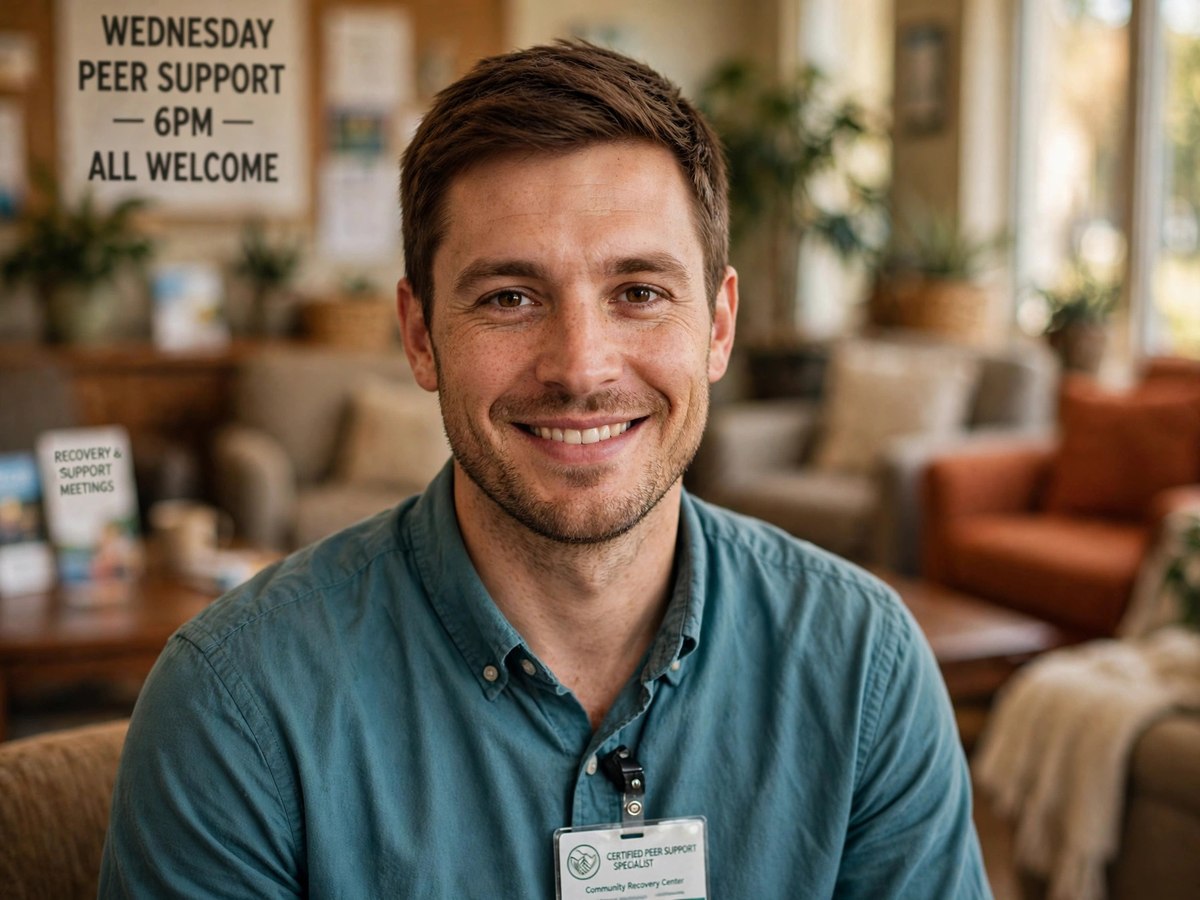
Peer Support Specialist and Community Health Worker
Chris Donovan, 30 — certified peer support specialist at a recovery center
How I Got Here
Chris is five years into his own recovery. Early on, the person he trusted most at his treatment program was not a clinician. It was the peer specialist, somebody who had stood exactly where Chris was standing and could prove that recovery was a life you could actually live. Chris trained and certified to do the same work. He leads recovery groups, mentors people one-on-one, and helps them find housing, work, and community, because he needed every one of those things himself.
Three Paths Into This Work
The Parent in Recovery Path
Angela Ruiz, 38
Angela's recovery began while her children were living with her mother. In treatment, a peer specialist visited her every week and never once talked down to her. After Angela reunified with her kids, she trained and certified as a peer specialist herself. Now she does the visiting, and she starts where her own specialist started: I have been where you are.
The Community Bridge Path
Samuel Otieno, 27
Samuel grew up translating health information for his neighbors, explaining letters from the hospital and riding along to appointments. The local hospital hired him as a community health worker to do formally what he had always done. He runs screenings and recovery referrals on blocks where people already know his name.
The Veteran Peer Path
Dan Whitaker, 45
After Dan came home from military service, the only person he would talk to was a veteran peer specialist at the VA, somebody who had stood where he was standing. Dan certified as a peer specialist and now staffs that same program. He says trust is the whole job, and it cannot be faked.
A Day in the Life
Share lived experience of recovery to build trust and hope; this role is non-clinical by design
Lead recovery groups and mentor people as they set and reach their own goals
Connect people to resources: housing, food, treatment, and community support
For community health workers: outreach and home visits, care coordination, health screenings, and coaching, including recovery support for mental health and substance use
Advocate for people inside systems that can be hard to navigate alone
Recovery centers, treatment programs, hospitals, and neighborhoods. Community health work is field-based, with some evenings and weekends.
Peer specialists: lived recovery experience plus state certification training. Community health workers: typically a high school diploma plus training; requirements vary by state.
64,700
Jobs, 2025
$51,850
Median Pay, May 2025
+13%
Growth, 2025–35
Peer support specialists have no separate national occupation count; the Bureau of Labor Statistics does not publish figures for the role. The figures shown are for community health workers across all health areas.
10
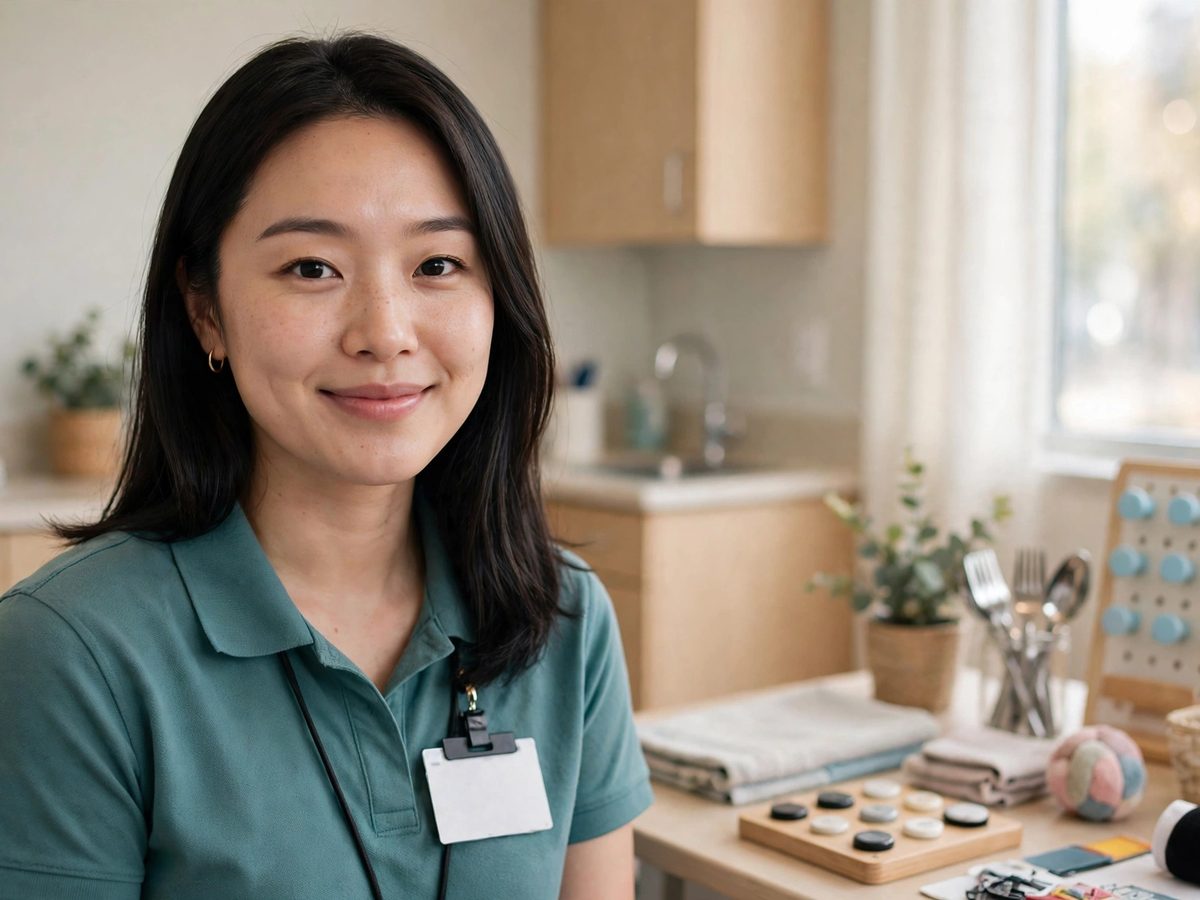
Occupational Therapist in Mental Health
Grace Kim, 29 — occupational therapist on a behavioral health unit
How I Got Here
Grace's younger sister lives with severe anxiety that once shrank her world to a single room. An occupational therapist helped her rebuild a day at a time: a morning routine, a budget, a bus route, a cooked meal. Grace chose the same profession. On her unit, therapy looks like real life practiced on purpose, because getting your days back is getting your life back.
Three Paths Into This Work
The Artist Path
Lena Fischer, 27
Lena earned an art degree and volunteered at a community studio where adults living with mental illness rebuilt their days around making things. A visiting occupational therapist showed her that this was a licensed profession, not just a kind program. Lena went back for her degree and now runs therapeutic activity groups on a behavioral health unit.
The Rehab Aide Path
Paul Mensah, 32
Paul worked as a rehabilitation aide after his father's stroke and watched occupational therapy rebuild his father's confidence one daily task at a time. He earned his own degree and chose mental health settings on purpose. He says the rebuilding is the same: a routine, a meal, a bus route, a life coming back.
The Classroom Aide Path
Julie Barrett, 30
Julie worked as a classroom aide in special education. The occupational therapist who visited her classroom changed what her students could do within weeks, and Julie wanted to be the person who brought that change. She earned her degree and now splits her time between schools and a community mental health program.
A Day in the Life
Evaluate what a person can do now and what daily life asks of them
Build life skills through real activities: routines, time management, budgeting, cooking, chores, and using public transit
Work with clients living with mental illness, developmental disabilities, substance use, depression, and trauma
Record progress and adjust the plan as independence grows
Coordinate with the wider care team so skills practiced in therapy carry into daily life
Hospitals, rehabilitation centers, schools, and community programs. A minority of occupational therapists work in mental health settings; the rest serve physical rehabilitation and other areas.
Master's or doctoral degree in occupational therapy and a state license.
169,600
Jobs, 2025
$100,330
Median Pay, May 2025
+15%
Growth, 2025–35
Figures cover occupational therapists in all settings; the national data does not separate the mental health share.
Sources and Honest Limits
Workforce figures are from the U.S. Bureau of Labor Statistics, Occupational Outlook Handbook: jobs in 2025, median pay in May 2025, and projected growth for 2025–35. Day-to-day duties draw on the same handbook, O*NET occupational profiles, SAMHSA guidance for peer support, the American Psychiatric Nurses Association for psychiatric nurse practitioners, and the American School Counselor Association for counselor ratios.
Where the national data does not separate a behavioral health specialty, the card says so in plain words rather than filling the gap with an estimate. The young professionals are fictional composites created for this page; their stories reflect the documented work of each profession, and the first two stories are also told as short films in this series.
Prepared November 2026 from sources published by the U.S. Bureau of Labor Statistics and the associations named above.